

Male circumcision Care in Ecuador
Male circumcision in Ecuador typically costs $1,000 to $8,000 on CureValue-listed providers, about 49 percent less than typical US prices.

Why Americans travel for male circumcision care
Male circumcision is a surgical procedure that involves the removal of the foreskin from the penis, typically performed on newborns but also done for older children and adults for various medical or personal reasons. It may be recommended for conditions such as phimosis (where the foreskin cannot be easily retracted), recurrent urinary tract infections, or for cultural and religious practices. The procedure can be performed using different techniques, including the clamp method or surgical excision, and is usually done in a sterile medical setting. Some Americans may consider seeking circumcision abroad due to factors like lower costs, shorter wait times, or greater availability of services. While potential benefits of receiving care overseas may include access to experienced providers and modern facilities, it is crucial to carefully evaluate the provider's qualifications, the facility's accreditation, and the transparency of costs. Additionally, patients should consider recovery time, travel logistics, and the availability of follow-up care to ensure a safe and satisfactory experience.

Key stats: Male circumcision in Ecuador

89
Top urology facilities in Ecuador
Compare all 1 provider →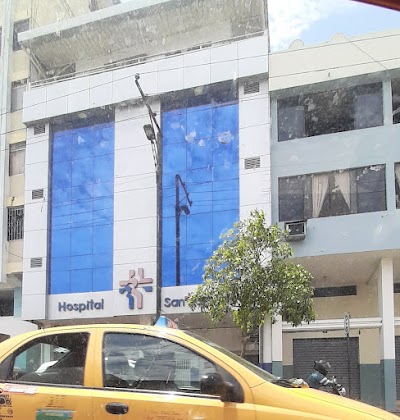
Travel and Stay
Round-trip flight
One-night stay
Attractions
Frequently asked questions
When selecting a destination for male circumcision, consider factors such as the provider's experience, facility accreditation, and patient reviews. It's also important to evaluate the healthcare standards in the country and the availability of follow-up care after the procedure.
To ensure safety and quality, research the credentials of the surgeon and the accreditation of the medical facility. Look for facilities that adhere to international healthcare standards and have positive patient testimonials regarding their circumcision procedures.
Recovery time after male circumcision typically ranges from a few days to a couple of weeks, depending on individual healing. It's advisable to plan for at least a week of recovery before traveling, but follow-up appointments may require additional time in the destination.
Before proceeding, ask about the surgeon's experience with male circumcision, the techniques they use, and the facility's accreditation. Inquire about potential risks, recovery expectations, and what post-operative care will be available.
While costs for male circumcision abroad may be lower than in the U.S., it's essential to consider the overall value, including the quality of care and potential follow-up needs. Always request a detailed breakdown of costs and what is included in the procedure.
Ecuador is a popular destination for medical travelers due to its modern healthcare facilities and skilled professionals. Before traveling, it's important to research your options, understand the local healthcare infrastructure, and plan your itinerary to include recovery time. Many travelers find it helpful to connect with local resources or support groups for additional guidance.
U.S. citizens can enter Ecuador as tourists without a visa for stays of up to 90 days. It's advisable to have a valid passport with at least six months of validity remaining and to check for any updates on entry requirements before your trip. Additionally, travelers should ensure they have proof of onward travel.
Ecuador generally has a lower cost of living compared to the U.S., which can be beneficial for medical travelers. Accommodation, food, and transportation are often more affordable, allowing for a comfortable stay while receiving care. However, costs can vary by region, so it's wise to research specific areas you plan to visit.
While Spanish is the official language of Ecuador, many healthcare professionals in major cities and tourist areas speak English. It's helpful to learn a few basic Spanish phrases, but you can generally find English-speaking staff in hospitals and clinics catering to international patients.
Ecuador offers various transportation options, including taxis, buses, and ride-sharing services, making it easy to navigate cities and travel between locations. For medical travelers, it's advisable to arrange transportation in advance, especially for trips to and from medical appointments, to ensure a smooth experience during your stay.
Data last updated July 10, 2026. Prices and savings are estimates, not guarantees.