

Urethral diverticulum Care in Greece
Urethral diverticulum in Greece typically costs $800 to $12,000 on CureValue-listed providers, about 39 percent less than typical US prices.

Why Americans travel for urethral diverticulum care
Urethral diverticulum is a condition where a pouch forms in the urethra, often leading to symptoms such as urinary incontinence, frequent urinary tract infections, or pelvic pain. Treatment typically involves surgical intervention to remove the diverticulum and repair the urethra, which may be recommended for women experiencing these symptoms, especially if conservative measures have not been effective. Patients considering treatment abroad may find that certain countries offer specialized expertise, potentially shorter wait times, or more affordable options, but it is crucial to thoroughly research the experience of the healthcare providers, the quality and accreditation of the facilities, and the transparency of costs. While some patients may benefit from receiving care in a different country, it is essential to consider factors such as recovery time, travel logistics, and the availability of follow-up care to ensure a safe and effective treatment experience.

Key stats: Urethral diverticulum in Greece

91
Top urology facilities in Greece
Compare all 8 providers →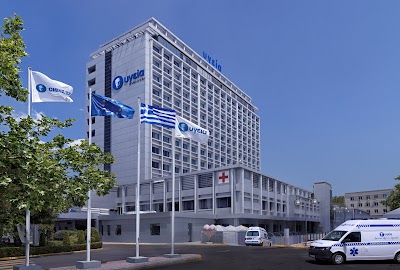

Travel and Stay
Round-trip flight
One-night stay
Attractions
Frequently asked questions
When considering Urethral Diverticulum treatment abroad, it's essential to research the accreditation of the medical facilities and the qualifications of the healthcare providers. Look for hospitals that are accredited by recognized international organizations and ensure that the surgeons have experience specifically in treating urethral diverticula.
To compare destinations for Urethral Diverticulum treatment, consider factors such as the reputation of the medical facilities, the experience of the surgeons, patient reviews, and the availability of post-operative care. It's also helpful to inquire about the specific techniques used in the procedure and the overall patient experience.
Recovery time after Urethral Diverticulum treatment can vary, but most patients can expect to take about 1 to 2 weeks off from work or regular activities. Follow-up appointments are usually scheduled within a few weeks post-surgery to monitor healing and address any concerns.
Before selecting an international provider for Urethral Diverticulum, ask about the surgeon's experience with this specific procedure, the hospital's accreditation status, and the types of post-operative care available. Additionally, inquire about the expected recovery process and any potential complications.
While many patients seek Urethral Diverticulum treatment abroad for potential cost savings, prices can vary widely based on the destination and facility. It's important to obtain detailed quotes and understand what is included in the cost, such as pre-operative assessments and post-operative care, to make an informed comparison.
When planning a trip to Greece for medical care, it's important to research the healthcare facilities and understand the logistics of your travel. Many hospitals in Greece are equipped to handle international patients, and English is commonly spoken in healthcare settings. Additionally, consider the proximity of your accommodation to the medical facility for ease of access during recovery.
Greece generally has a lower cost of living compared to the U.S., which can be beneficial for medical travelers. While prices for lodging, food, and transportation can vary by region, many visitors find that they can enjoy a comfortable stay at a reasonable price. It's advisable to budget for your specific needs and preferences while in Greece.
U.S. citizens can enter Greece for short stays of up to 90 days without a visa for tourism or medical purposes. However, it's important to ensure your passport is valid for at least three months beyond your planned departure date from the Schengen Area. Always check for the latest travel advisories and entry requirements before your trip.
Yes, English is widely spoken in Greece, particularly in tourist areas and healthcare facilities. Many medical professionals are fluent in English, which can help facilitate communication during your medical travel experience. This can make your visit more comfortable and ensure you understand your care options.
Getting around in Greece can be convenient, with options such as public transportation, taxis, and rental cars available. Depending on your recovery needs, you may want to choose accommodations close to your medical facility. It's also wise to plan for any mobility assistance you might require post-treatment, ensuring a smooth recovery process.
Data last updated July 10, 2026. Prices and savings are estimates, not guarantees.