

Artificial urinary sphincter Care in India
Artificial urinary sphincter in India typically costs $250 to $8,000 on CureValue-listed providers, about 66 percent less than typical US prices.

Why Americans travel for artificial urinary sphincter care
An artificial urinary sphincter (AUS) is a medical device designed to help individuals with urinary incontinence, a condition where one loses control over urination, often due to prostate surgery, neurological disorders, or other pelvic issues. The treatment typically involves surgically implanting a cuff around the urethra, which can be inflated or deflated to control the flow of urine. Patients may consider seeking this procedure abroad for various reasons, such as shorter wait times, availability of specialized care, or potential cost savings. While some patients report benefits from receiving care in other countries, it is crucial to carefully evaluate factors such as the surgeon's experience, the quality and accreditation of the medical facility, and the transparency of costs. Additionally, consider the logistics of travel, recovery time, and the availability of follow-up care, as these can significantly impact the overall experience and outcome of the treatment.

Key stats: Artificial urinary sphincter in India

87
Top urology facilities in India
Compare all 82 providers →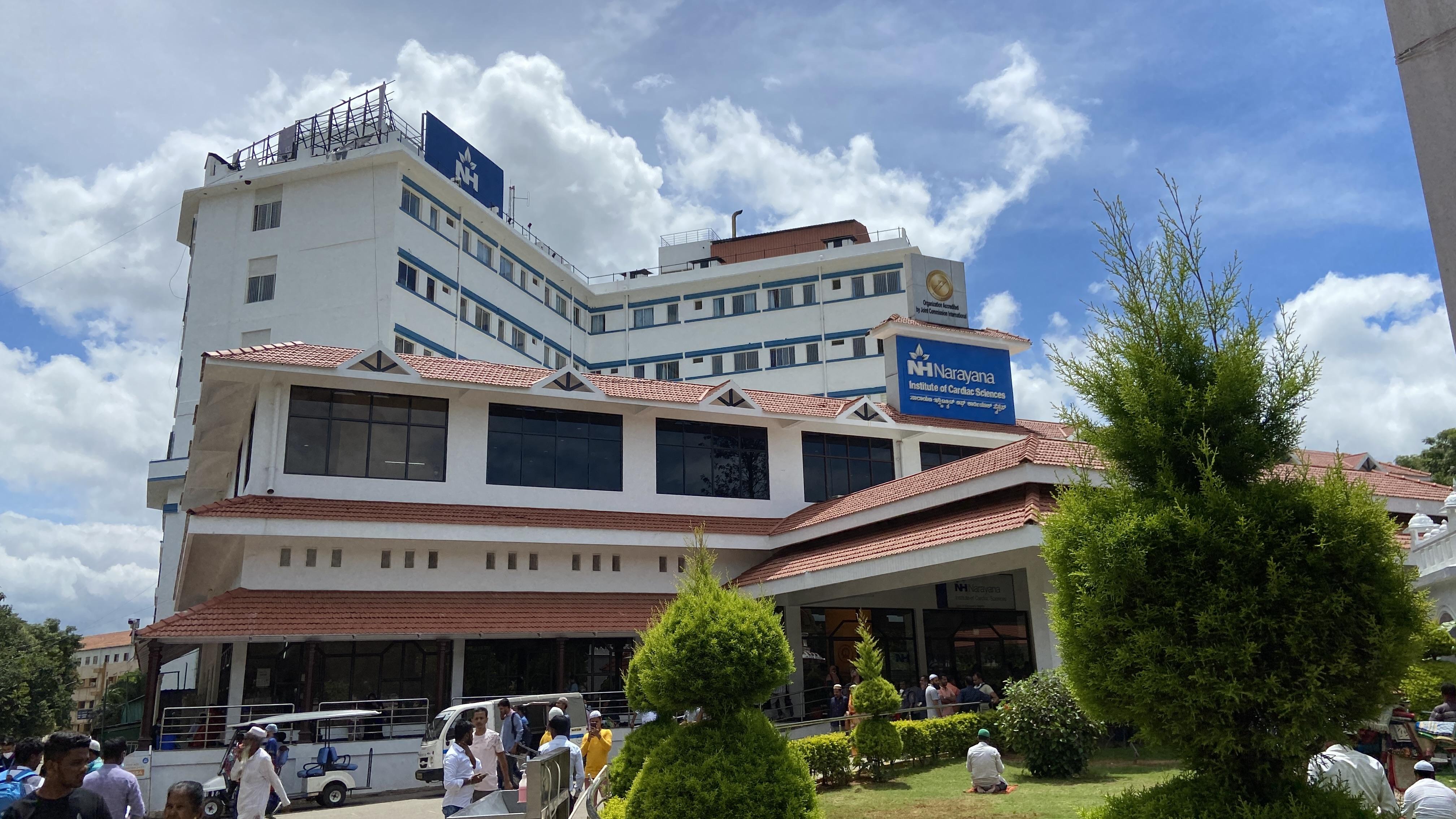

Travel and Stay
Round-trip flight
One-night stay
Attractions
Frequently asked questions
When seeking a provider for an artificial urinary sphincter, consider their experience with the procedure, the facility's accreditation, and the standards of care they maintain. It's also important to review patient testimonials and inquire about the surgical team's qualifications.
To ensure safety and quality, look for internationally accredited facilities and check if the surgeons are board-certified in urology or a related field. Additionally, ask about the hospital's infection rates and post-operative care protocols.
Recovery time after an artificial urinary sphincter procedure can vary, but most patients can expect to return to normal activities within a few weeks. It's important to discuss specific recovery timelines with your surgeon, as individual factors can influence healing.
Follow-up care typically includes several appointments to monitor healing and device function. Ensure your provider has a clear plan for follow-up visits and that they can accommodate any concerns that may arise post-surgery.
Before selecting a provider, ask about their experience with the artificial urinary sphincter procedure, the types of devices they use, and their post-operative care protocols. Additionally, inquire about the facility's accreditation and how they handle complications if they arise.
When traveling to India for medical care, it's important to plan ahead. Ensure you have a valid passport and check the visa requirements for U.S. citizens, which typically involve applying for an e-Visa. Familiarize yourself with local customs and healthcare practices to enhance your experience.
The cost of living in India is generally lower than in the U.S., which can make accommodations, food, and transportation more affordable. However, prices can vary significantly depending on the city and the type of services you choose, so it's wise to budget accordingly.
Yes, English is widely spoken in India, particularly in urban areas and healthcare settings. Many healthcare professionals are fluent in English, which can help facilitate communication and ensure you understand your care options.
India has a robust healthcare infrastructure that caters to international patients, with many hospitals and clinics equipped with modern technology and experienced staff. Facilities often have dedicated international patient departments to assist with logistics and ensure a smooth experience.
Getting around in India can be convenient with various transportation options, including taxis, auto-rickshaws, and ride-sharing services. It's advisable to arrange transportation in advance for hospital visits and recovery, and many hotels offer shuttle services to medical facilities.
Data last updated July 10, 2026. Prices and savings are estimates, not guarantees.