

Kidney stones Care in Mexico
Kidney stones in Mexico typically costs $500 to $30,000 on CureValue-listed providers, about 50 percent less than typical US prices.

Why Americans travel for kidney stones care
Kidney stones are hard mineral and salt deposits that form in the kidneys, often causing severe pain, blood in urine, and urinary tract infections. Treatment typically involves methods to help pass the stones, such as increased fluid intake, pain management, and in some cases, medical procedures like shock wave lithotripsy or ureteroscopy to break up or remove the stones. Americans may consider seeking treatment abroad for various reasons, including potentially lower costs, shorter wait times, or access to specific procedures not readily available in the U.S. However, it is crucial to carefully evaluate the experience of healthcare providers, the quality and accreditation of facilities, and the transparency of costs before making a decision. Additionally, consider the logistics of travel, recovery time, and the availability of follow-up care, as these factors can significantly impact the overall experience and outcome of treatment for kidney stones.

Key stats: Kidney stones in Mexico

90
Top urology facilities in Mexico
Compare all 28 providers →

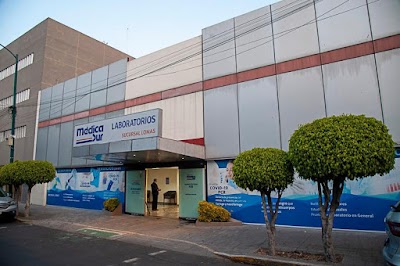
Top urology doctors in Mexico



Travel and Stay
Round-trip flight
One-night stay
Attractions
Frequently asked questions
When evaluating international options for kidney stones treatment, consider the provider's experience, facility accreditation, and patient reviews. It's also important to assess the technology and techniques used in the procedure, as well as the overall healthcare standards in the destination country.
To ensure safety and quality, look for accredited facilities and board-certified urologists with experience in treating kidney stones. Research the hospital's infection rates, patient outcomes, and any available certifications from international health organizations.
Recovery time after kidney stones treatment can vary, but many patients can expect to return to normal activities within a few days to a week. Travel can impact recovery, so it's advisable to plan for adequate rest and follow-up care before returning home.
Before choosing an international provider for kidney stones treatment, ask about their experience with the specific procedure, the technology they use, and their post-operative care protocols. Inquire about the facility's accreditation and how they handle complications or follow-up care.
The cost of kidney stones treatment abroad can vary widely and may be lower than in the U.S., but it's important to consider all associated expenses, including travel and accommodation. Always request a detailed breakdown of costs and understand what is included in the treatment package.
When traveling to Mexico for medical care, it's important to plan ahead. Ensure you have all necessary documents, including a valid passport. Familiarize yourself with the local area where you will be receiving care, and consider arranging transportation in advance to make your journey smoother.
The cost of living in Mexico is generally lower than in the U.S., which can make accommodations, food, and transportation more affordable. However, prices can vary significantly depending on the city and region, so it's wise to research specific areas to get a better understanding of potential expenses.
U.S. citizens do not need a visa for stays of 180 days or less in Mexico. However, you must present a valid passport upon entry. It's advisable to keep a copy of your passport and any important documents with you while traveling.
Many healthcare professionals in Mexico, especially in popular medical tourism areas, speak English. This can help facilitate communication during your visit. However, it's beneficial to learn a few basic Spanish phrases to enhance your experience and interactions.
When planning your trip, consider how you will get around, especially if you need to attend follow-up appointments. Many medical travelers opt for private transportation or arrange for a local driver. Additionally, ensure your recovery accommodations are comfortable and conveniently located near your treatment facility.
Data last updated July 10, 2026. Prices and savings are estimates, not guarantees.