

Ureteral reimplantation Care in Mexico
Ureteral reimplantation in Mexico typically costs $500 to $30,000 on CureValue-listed providers, about 50 percent less than typical US prices.

Why Americans travel for ureteral reimplantation care
Ureteral reimplantation is a surgical procedure that involves repositioning the ureter, the tube that carries urine from the kidney to the bladder, to correct issues such as ureteral reflux, where urine flows backward into the kidneys, or to address obstructions. This procedure may be recommended for patients experiencing recurrent urinary tract infections, kidney damage, or other complications related to improper ureter function. The surgery can be performed using traditional open techniques or minimally invasive laparoscopic methods, depending on the specific case and the surgeon's expertise. Americans may consider seeking ureteral reimplantation abroad for various reasons, including shorter wait times, potential cost savings, or access to specialized care not readily available in the U.S. While there may be potential benefits to receiving care overseas, such as reduced expenses or quicker scheduling, it is crucial to carefully evaluate factors like the surgeon's experience, the quality and accreditation of the medical facility, transparency in costs, recovery time, travel logistics, and the availability of follow-up care. Understanding these elements can help patients make informed decisions about their treatment options.

Key stats: Ureteral reimplantation in Mexico

90
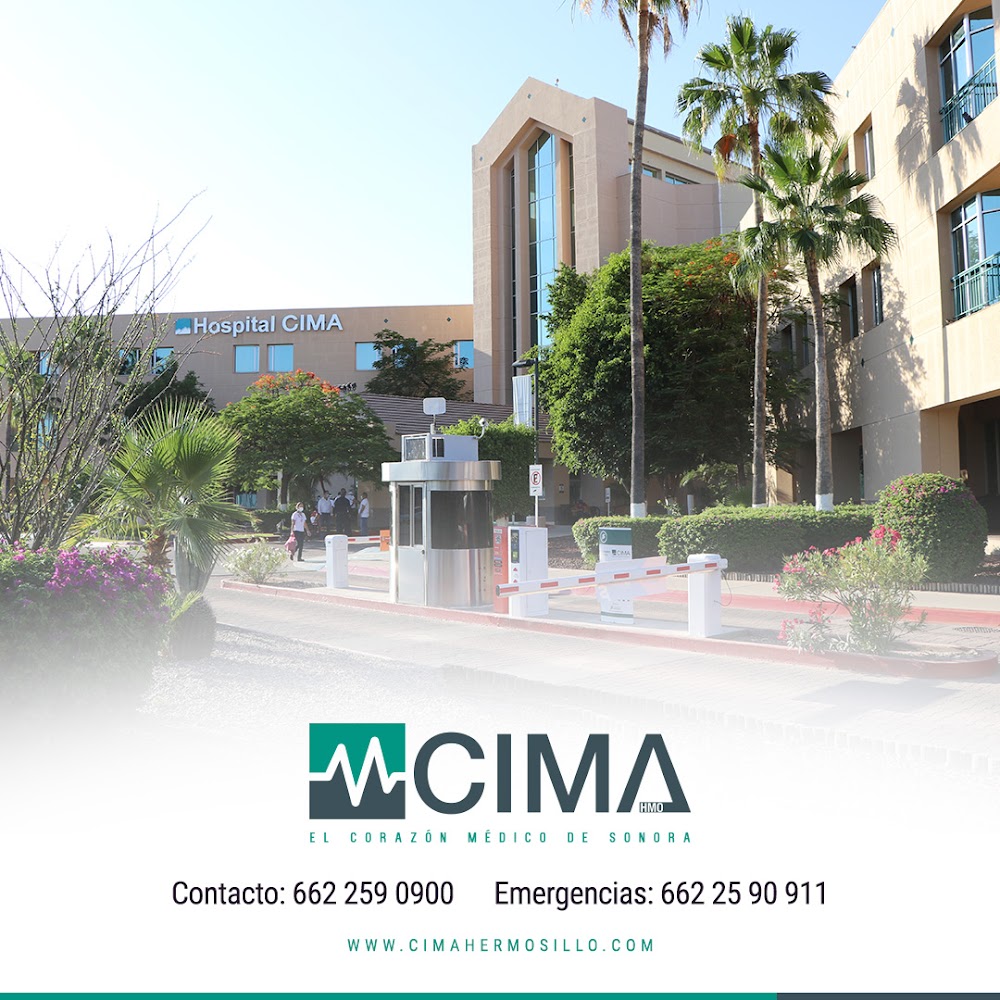
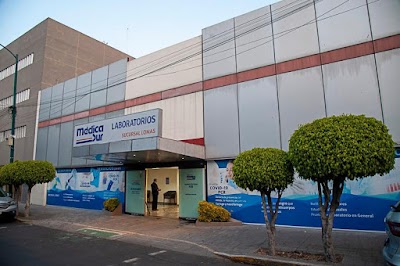
Top urology facilities in Mexico
Compare all 28 providers →
Top urology doctors in Mexico


Travel and Stay
Round-trip flight
One-night stay
Attractions
Frequently asked questions
When searching for a facility for ureteral reimplantation, consider the provider's experience, the facility's accreditation, and the standards of care they uphold. It's also important to review patient testimonials and inquire about the specific techniques used in the procedure.
To ensure safety and quality, research the accreditation of the medical facility and the qualifications of the surgical team. Look for international certifications and consider facilities that have a track record of successful outcomes in ureteral reimplantation.
Recovery time after ureteral reimplantation can vary, but patients typically need to stay close to the treatment facility for at least a week for follow-up care. Plan for additional time to rest and recover before traveling back home, as your healthcare provider will give specific recommendations based on your individual case.
Before selecting a provider for ureteral reimplantation, ask about their experience with the procedure, the number of surgeries they perform annually, and their complication rates. Additionally, inquire about the facility's accreditation and what post-operative care will be available.
While many patients seek ureteral reimplantation abroad for potential cost savings, prices can vary widely based on the facility and location. It's important to obtain detailed quotes and understand what is included in the cost, as well as any potential additional expenses for travel and recovery.
When traveling to Mexico for medical care, it's important to plan ahead. Ensure you have all necessary documents, including a valid passport. Familiarize yourself with the local area where you will be receiving care, and consider arranging transportation in advance to make your journey smoother.
The cost of living in Mexico is generally lower than in the U.S., which can make accommodations, food, and transportation more affordable. However, prices can vary significantly depending on the city and region, so it's wise to research specific areas to get a better understanding of potential expenses.
U.S. citizens do not need a visa for stays of 180 days or less in Mexico. However, you must present a valid passport upon entry. It's advisable to keep a copy of your passport and any important documents with you while traveling.
Many healthcare professionals in Mexico, especially in popular medical tourism areas, speak English. This can help facilitate communication during your visit. However, it's beneficial to learn a few basic Spanish phrases to enhance your experience and interactions.
When planning your trip, consider how you will get around, especially if you need to attend follow-up appointments. Many medical travelers opt for private transportation or arrange for a local driver. Additionally, ensure your recovery accommodations are comfortable and conveniently located near your treatment facility.
Data last updated July 10, 2026. Prices and savings are estimates, not guarantees.