

Prostate cancer screening (PSA test) Care in South Korea
Prostate cancer screening (PSA test) in South Korea typically costs $1,200 to $35,000 on CureValue-listed providers, about 30 percent less than typical US prices.

Why Americans travel for prostate cancer screening (psa test) care
Prostate cancer screening typically involves a blood test known as the PSA (prostate-specific antigen) test, which measures the level of PSA in the blood; elevated levels may indicate the presence of prostate cancer or other prostate conditions. This screening is often recommended for men over the age of 50, or earlier for those with a family history of prostate cancer or other risk factors. While the PSA test is a straightforward procedure, the decision to seek it abroad may stem from factors such as access to care, availability of appointments, potential cost savings, or shorter wait times. However, it is crucial to consider the experience of the healthcare provider, the quality and accreditation of the facility, and the transparency of costs before proceeding. Additionally, patients should think about recovery time, travel logistics, and the availability of follow-up care after the test. Understanding these elements can help you make an informed decision about whether to pursue prostate cancer screening outside the United States.

Key stats: Prostate cancer screening (PSA test) in South Korea

86
Top urology facilities in South Korea
Compare all 3 providers →
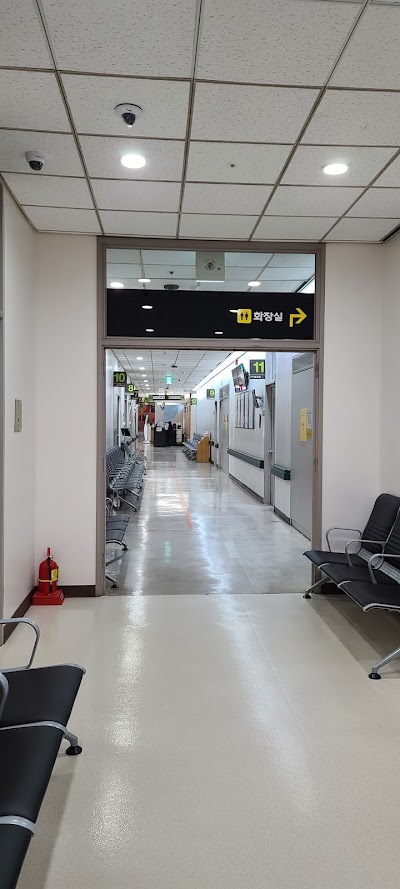
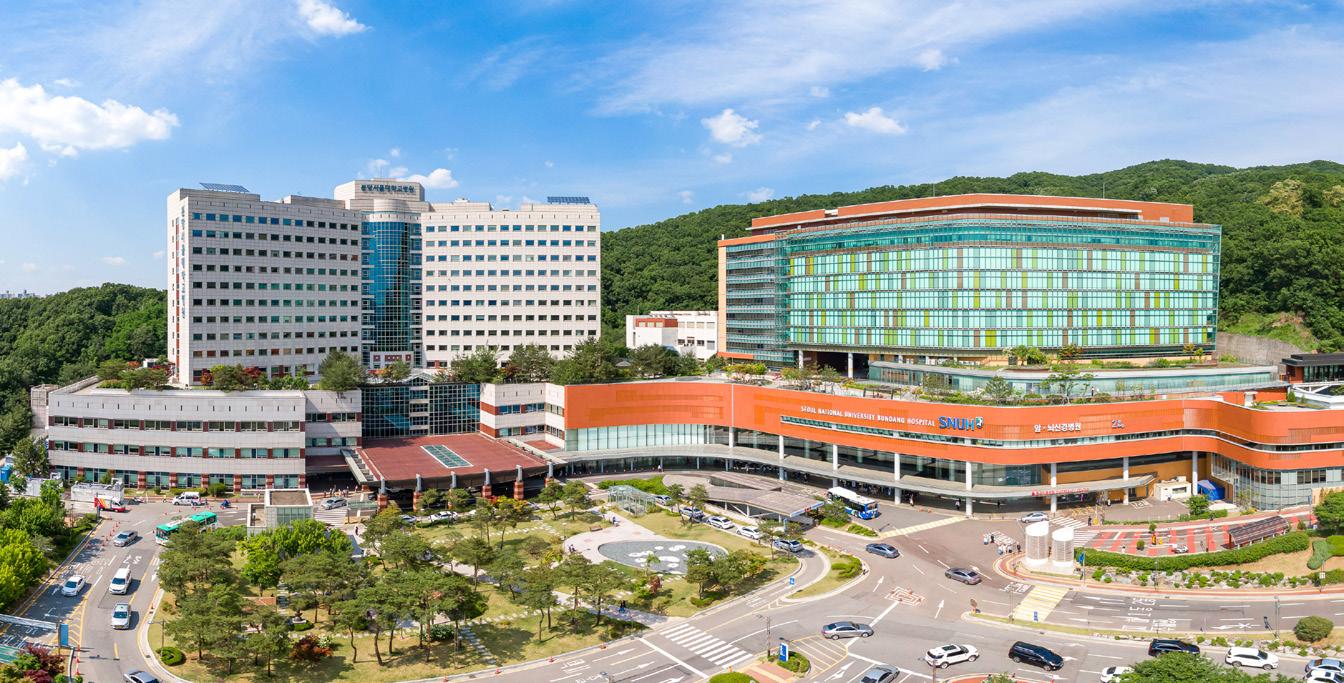
Seoul National University Bundang Hospital
86
Travel and Stay
Round-trip flight
One-night stay
Attractions
Frequently asked questions
When evaluating facilities for the Prostate Cancer Screening PSA Test, consider their accreditation, the experience of the medical staff, and the technology used for testing. It's also important to read patient reviews and check for any certifications that indicate adherence to international healthcare standards.
To ensure safety and quality, research the facility's accreditation and the qualifications of the healthcare providers. Look for hospitals that are accredited by recognized international organizations and have a good track record in urology or oncology services.
Before proceeding with the Prostate Cancer Screening PSA Test, ask about the provider's experience with the test, the technology they use, and their protocols for follow-up care. Inquire about the facility's accreditation and any patient support services they offer.
The Prostate Cancer Screening PSA Test is a simple blood test, so recovery is immediate, and you can resume normal activities right away. However, follow-up appointments to discuss results and any further action should be scheduled based on your provider's recommendations, typically within a week or two.
While costs for the Prostate Cancer Screening PSA Test may vary significantly by location and facility, many patients find that prices abroad can be lower than in the U.S. It's important to consider not just the price but also the quality of care and any additional expenses related to travel and accommodation.
When planning your trip to South Korea for medical care, it's important to research the healthcare facilities and understand the logistics of your stay. Many hospitals cater to international patients, offering services in English and assistance with travel arrangements. Additionally, familiarize yourself with local customs and transportation options to ensure a smooth experience.
The cost of living in South Korea can vary significantly depending on the city and lifestyle. Generally, accommodations, food, and transportation can be more affordable than in many U.S. cities. However, it's wise to budget according to your personal preferences and needs, as prices can fluctuate.
U.S. citizens traveling to South Korea for short stays, including medical travel, typically do not need a visa for visits of up to 90 days. However, it's essential to have a valid passport and check for any updates on entry requirements before your trip. Always verify the latest information from official sources.
English is commonly spoken in major cities and tourist areas in South Korea, particularly in healthcare settings that cater to international patients. Many medical professionals are proficient in English, which can help ease communication during your visit. However, learning a few basic Korean phrases can enhance your experience.
South Korea has an efficient public transportation system, including subways, buses, and taxis, making it easy to navigate cities. For medical travelers, many hospitals offer shuttle services or assistance with transportation arrangements. It's advisable to download local transportation apps to help plan your journeys.
Data last updated July 10, 2026. Prices and savings are estimates, not guarantees.