

Bladder augmentation Care in Turkey
Bladder augmentation in Turkey typically costs $600 to $20,000 on CureValue-listed providers, about 51 percent less than typical US prices.

Why Americans travel for bladder augmentation care
Bladder augmentation is a surgical procedure that increases the capacity of the bladder, often using a piece of tissue from the intestine, to help manage conditions such as neurogenic bladder, bladder exstrophy, or severe bladder dysfunction. This treatment may be recommended for patients experiencing symptoms like frequent urination, incontinence, or inability to store urine properly. The procedure typically involves creating a larger bladder pouch, which can improve urinary function and quality of life. Americans may consider seeking bladder augmentation abroad for reasons such as shorter wait times, availability of specialized care, or potentially lower costs, though these factors can vary widely. While some patients report benefits from receiving care in other countries, it is crucial to carefully evaluate the experience of the healthcare provider, the quality and accreditation of the facility, and the transparency of costs. Additionally, patients should consider recovery time, travel logistics, and the availability of follow-up care when making their decision.

Key stats: Bladder augmentation in Turkey

89
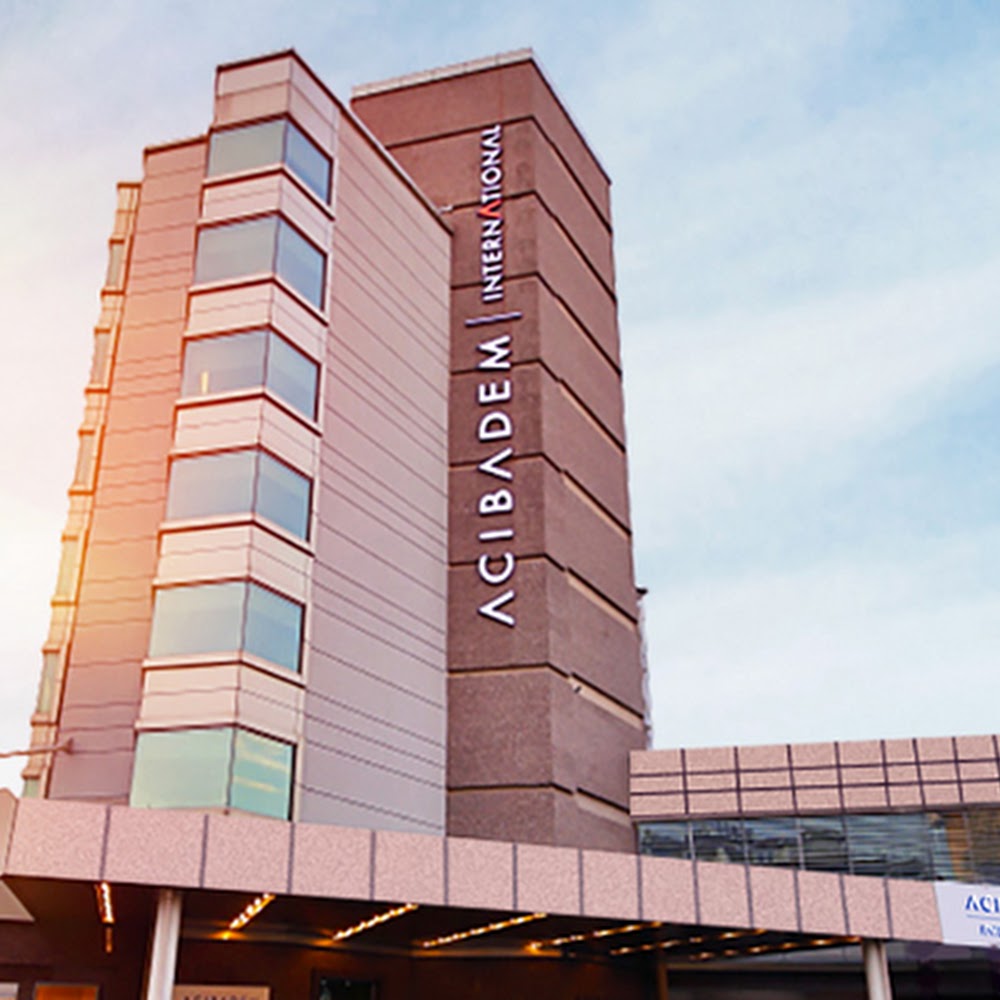
Top urology facilities in Turkey
Compare all 43 providers →

Travel and Stay
Round-trip flight
One-night stay
Attractions
Frequently asked questions
When evaluating facilities for bladder augmentation, consider the provider's experience with the procedure, the accreditation of the facility, and the standards of care they uphold. Look for hospitals that are accredited by recognized international bodies and have a track record of successful bladder augmentation surgeries.
To ensure safety, research the qualifications of the surgeon performing your bladder augmentation and the reputation of the medical facility. Verify that the facility adheres to international safety standards and has protocols in place for infection control and patient care.
Recovery time after bladder augmentation can vary, but patients typically need to stay in the destination for at least a week for initial recovery and follow-up appointments. It's important to plan for additional time to ensure you are stable for travel back home, as well as to accommodate any potential complications.
Before undergoing bladder augmentation, ask your provider about their experience with the procedure, the expected recovery process, and any potential risks. Inquire about the facility's accreditation, the type of anesthesia used, and what post-operative care will be available to you.
While costs for bladder augmentation abroad can be lower than in the U.S., it's essential to consider the overall value, including the quality of care and the experience of the provider. Request detailed quotes that include all associated costs, such as pre-operative assessments, surgery, and post-operative care, to make an informed comparison.
When planning your trip to Turkey for medical care, it's important to research your destination, understand the local culture, and prepare for any necessary travel arrangements. Many American travelers find that Turkey offers a welcoming environment with a rich history and beautiful landscapes, making it a pleasant place to recover after treatment.
U.S. citizens traveling to Turkey for medical purposes typically need to obtain an e-Visa before arrival. This process is straightforward and can be completed online. It's advisable to check the latest entry requirements and ensure your passport is valid for at least six months beyond your planned stay.
English is widely spoken in major cities and tourist areas in Turkey, particularly among healthcare professionals. Many hospitals and clinics catering to international patients have staff who are fluent in English, which can help ease communication during your medical journey.
The cost of living in Turkey is generally lower than in the U.S., which can make accommodations, food, and transportation more affordable. However, prices can vary significantly depending on the city and the type of services you choose, so it's wise to budget accordingly and research options in advance.
Turkey has a well-developed transportation system, including buses, trams, and taxis, making it easy to navigate cities. For medical travelers, it's advisable to arrange transportation in advance, especially for trips to and from medical facilities. Many hotels also offer shuttle services, which can simplify your travel logistics.
Data last updated July 10, 2026. Prices and savings are estimates, not guarantees.