

Catheter-directed thrombolysis Care in Switzerland
Catheter-directed thrombolysis in Switzerland typically costs $18,000 to $50,000 on CureValue-listed providers, about 18 percent less than typical US prices.

Why Americans travel for catheter-directed thrombolysis care
Catheter-directed thrombolysis is a medical procedure used to dissolve blood clots in specific blood vessels, often in cases of deep vein thrombosis or pulmonary embolism. During the treatment, a thin tube called a catheter is inserted into a blood vessel, usually through the groin or arm, and guided to the site of the clot, where a clot-dissolving medication is delivered directly. This approach can help restore blood flow and alleviate symptoms such as swelling, pain, or difficulty breathing. Patients may consider seeking this treatment abroad for reasons such as shorter wait times, availability of specialized care, or potentially lower costs, but it is essential to carefully evaluate the experience of the healthcare provider, the quality and accreditation of the facility, and the transparency of costs. While some patients may find benefits in terms of access and convenience, it is crucial to consider factors like recovery time, travel logistics, and the availability of follow-up care when making a decision about receiving catheter-directed thrombolysis outside the United States.

Key stats: Catheter-directed thrombolysis in Switzerland

85
Top vascular surgery facilities in Switzerland
Compare all 1 provider →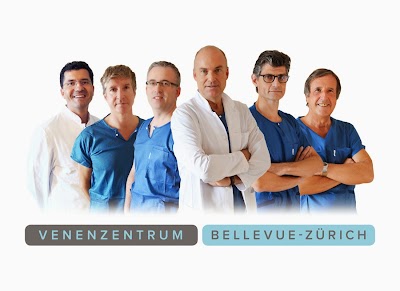
Travel and Stay
Round-trip flight
One-night stay
Attractions
Frequently asked questions
When evaluating facilities for catheter-directed thrombolysis, consider the provider's experience, the facility's accreditation, and the technology used. Look for hospitals that specialize in vascular procedures and have a strong track record in treating conditions related to thrombolysis.
To ensure safety and quality, research the accreditation of the medical facility and the qualifications of the healthcare providers. Look for reviews from previous patients and inquire about the hospital's infection control practices and patient outcomes related to catheter-directed thrombolysis.
Recovery time after catheter-directed thrombolysis can vary, but many patients may need to stay in the destination for a few days to a week for monitoring. It's important to plan for follow-up appointments and ensure you have accommodations that allow for rest and recovery before traveling back home.
Ask potential providers about their experience with catheter-directed thrombolysis, the number of procedures they perform annually, and their complication rates. Additionally, inquire about the specific technologies they use and the support available for post-procedure care.
While costs for catheter-directed thrombolysis abroad may be lower than in the U.S., it's essential to consider the total expenses, including travel, accommodation, and follow-up care. Always request a detailed breakdown of costs from international providers to make an informed comparison.
Switzerland is known for its high-quality healthcare system and advanced medical facilities. Before traveling, it's important to plan your itinerary, including accommodations and transportation. Many cities, such as Zurich and Geneva, are well-equipped to cater to international patients, making your stay comfortable and convenient.
U.S. citizens can enter Switzerland for short stays of up to 90 days without a visa. However, it's advisable to have your travel documents in order, including a valid passport and any necessary medical documentation. Always check for the latest entry requirements before your trip.
English is widely spoken in Switzerland, especially in major cities and healthcare settings. Many healthcare professionals are fluent in English, which can help ease communication during your medical journey. Additionally, tourist areas are accustomed to English-speaking visitors, making it easier to navigate your stay.
Switzerland is known for its high cost of living, which can be higher than many areas in the U.S. This includes expenses for lodging, food, and transportation. It's important to budget accordingly and consider options like short-term rentals or local dining to manage costs during your stay.
Switzerland has an efficient public transportation system, including trains, trams, and buses, making it easy to get around. Many cities are also pedestrian-friendly. If you have specific recovery needs, consider arranging transportation in advance to ensure a smooth experience during your stay.
Data last updated July 10, 2026. Prices and savings are estimates, not guarantees.