

Care destination
Medical Treatment in Israel
Israel has 19 providers listed on CureValue across 17 treatment categories, 8 internationally accredited, with average savings of 29% compared with typical US costs. Major hubs are Tel Aviv-Yafo, Jerusalem, Haifa, and Tel Aviv.

Why Israel for medical care
Israel is renowned for its advanced healthcare system, featuring a high concentration of internationally accredited hospitals and clinics that cater to medical travelers. The country is particularly noted for its expertise in fields such as oncology, cardiology, and orthopedics, attracting patients seeking cutting-edge treatments and innovative procedures. With a strong emphasis on quality of care, Israel boasts state-of-the-art technology and highly trained specialists, making it a compelling option for Americans considering medical treatment abroad. Additionally, the cost of certain medical procedures may be more affordable compared to similar care in the United States, although individual costs can vary. The accessibility of Israel, along with its welcoming environment for international patients, further enhances its appeal as a medical travel destination.
Treatments offered in Israel
Cancer Treatment
9
Providers
21%
Avg savings
Typical price range $8,000 to $12,000
Cardiology
6
Providers
49%
Avg savings
Typical price range $800 to $70,000
Neurology
6
Providers
28%
Avg savings
Typical price range $800 to $60,000
Pediatrics
5
Providers
25%
Avg savings
Typical price range $600 to $1,200
Cosmetic Surgery
4
Providers
31%
Avg savings
Typical price range $300 to $5,000
Urology
4
Providers
26%
Avg savings
Typical price range $1,500 to $12,000
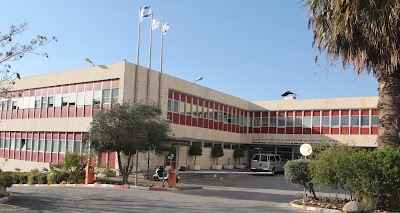
Top facilities in Israel



Destination facts
Travel and Stay
Round-trip flight
From JFK
Unavailable
One-night stay
Average price in Israel
Average price for one night in Israel, shown in US dollars.
Attractions
In Israel
Unavailable
Frequently asked questions
When planning your trip to Israel for medical care, it's important to research the healthcare facilities and understand the logistics of your stay. Many hospitals are equipped to handle international patients, and English is widely spoken in both healthcare and tourist settings. Additionally, consider arranging accommodations close to your treatment facility for convenience during recovery.
U.S. citizens traveling to Israel for medical purposes typically do not need a visa for stays of up to 90 days. However, it's advisable to have a valid passport and any necessary documentation related to your medical care. Always check the latest entry requirements before your trip to ensure a smooth arrival.
The cost of living in Israel can vary significantly depending on the city and region. Generally, major cities like Tel Aviv and Jerusalem may have higher costs for lodging and dining compared to smaller towns. It's wise to budget accordingly and explore various accommodation options to find what best suits your needs during your stay.
Israel has a well-developed public transportation system, including buses and trains, which can be convenient for getting around. Taxis and rideshare services are also widely available. If you prefer more flexibility, consider renting a car, but be aware of local driving regulations and parking options near your accommodation and treatment facility.
Yes, English is commonly spoken in Israel, especially in healthcare settings. Many medical professionals are fluent in English, which can help facilitate communication during your treatment. This language accessibility can make your experience more comfortable and ensure that you understand your care plan.
Data last updated July 10, 2026. Prices and savings are estimates, not guarantees.