

Treatment destination
Cardiology Care in Israel
Israel has 6 cardiology providers listed on CureValue, 1 internationally accredited, with typical prices from $800 to $70,000 and average savings of 49% compared with US costs. Top-rated clinics are in Tel Aviv-Yafo and Jerusalem.

Key stats: Cardiology in Israel

86
Cardiology costs in Israel vs the US
Estimates from providers listed on CureValue. Actual prices vary by provider and case.
| Procedure | Israel price range | Typical US cost | Average savings |
|---|---|---|---|
| Angioplasty | $15,000 to $18,000 | about $30,000 | 48% |
| Coronary bypass surgery | $50,000 to $70,000 | $120,000 to $123,000 | 51% |
| Coronary artery bypass graft | about $50,000 | about $100,000 | 50% |
| Coronary artery bypass surgery | about $50,000 | about $150,000 | 67% |
Angioplasty
Coronary bypass surgery
Coronary artery bypass graft
Coronary artery bypass surgery
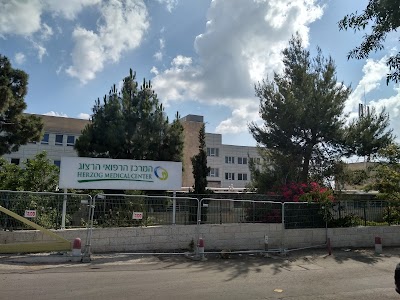
Top cardiology facilities in Israel
Compare all 6 providers →

Top cardiology doctors in Israel

Destination facts
Travel and Stay
Round-trip flight
From JFK
Unavailable
One-night stay
Average price in Israel
Average price for one night in Israel, shown in US dollars.
Attractions
In Israel
Unavailable
Why Americans travel for cardiology care
Cardiology is a branch of medicine that focuses on diagnosing and treating heart and blood vessel conditions, with common reasons for seeking care including chest pain, arrhythmias, heart failure, and preventive care for heart disease. Some Americans may consider traveling abroad for cardiology services due to factors like potentially lower costs, access to specialized treatments, or shorter wait times for procedures. Treatment options can range from diagnostic tests, such as echocardiograms and stress tests, to interventional procedures like angioplasty and stent placement, as well as surgical options like bypass surgery. While receiving cardiology care abroad may offer certain advantages, such as advanced technology or specialized expertise, it is crucial to carefully evaluate the experience and qualifications of healthcare providers, the quality and accreditation of facilities, and the transparency of costs. Patients should also consider how follow-up care will be managed after returning home, as continuity of care is essential for heart health. Before making a decision, it is important to ask key questions about the provider's experience, the specifics of the treatment plan, and how communication will be handled throughout the process.

Atrial Fibrillation Management
Atrial fibrillation (AFib) management, a critical intervention for irregular heart rhythms, aims to restore normal...
Heart Valve Repair or Replacement
Heart valve repair or replacement, a critical surgical intervention for conditions like valvular stenosis,...
Cardiac Catheterization
Cardiac catheterization, a minimally invasive procedure used to diagnose and treat heart conditions, plays a critical...
About Israel as a care destination
Israel is renowned for its advanced healthcare system, featuring a high concentration of internationally accredited hospitals and clinics that cater to medical travelers. The country is particularly noted for its expertise in fields such as oncology, cardiology, and orthopedics, attracting patients seeking cutting-edge treatments and innovative procedures. With a strong emphasis on quality of care, Israel boasts state-of-the-art technology and highly trained specialists, making it a compelling option for Americans considering medical treatment abroad. Additionally, the cost of certain medical procedures may be more affordable compared to similar care in the United States, although individual costs can vary. The accessibility of Israel, along with its welcoming environment for international patients, further enhances its appeal as a medical travel destination.
Explore all treatments in Israel →Frequently asked questions
Many Americans travel to Israel for Cardiology care due to the high quality of medical services available. Israel has a well-developed healthcare system and offers advanced procedures at competitive prices.
Providers listed on CureValue average about 49 percent savings compared with typical US prices. This significant cost reduction makes seeking treatment in Israel an attractive option for many patients.
Common Cardiology procedures in Israel include Angioplasty with an average savings of 48 percent, Coronary bypass surgery with 51 percent savings, Coronary artery bypass graft at 50 percent savings, and Coronary artery bypass surgery with 67 percent savings. Patients can compare listings on CureValue for more details.
To choose a good Cardiology provider in Israel, consider the CureValue Rating, which is an independent vetted rating that goes beyond accreditation. There is one internationally accredited provider listed, but the CureValue Rating helps assess overall quality.
CureValue supports secure transfer of medical records between the treating facility and the patient's US doctor. This ensures that your follow-up care is coordinated effectively and that your US doctor has the necessary information.
When planning your trip to Israel for medical care, it's important to research the healthcare facilities and understand the logistics of your stay. Many hospitals are equipped to handle international patients, and English is widely spoken in both healthcare and tourist settings. Additionally, consider arranging accommodations close to your treatment facility for convenience during recovery.
U.S. citizens traveling to Israel for medical purposes typically do not need a visa for stays of up to 90 days. However, it's advisable to have a valid passport and any necessary documentation related to your medical care. Always check the latest entry requirements before your trip to ensure a smooth arrival.
The cost of living in Israel can vary significantly depending on the city and region. Generally, major cities like Tel Aviv and Jerusalem may have higher costs for lodging and dining compared to smaller towns. It's wise to budget accordingly and explore various accommodation options to find what best suits your needs during your stay.
Israel has a well-developed public transportation system, including buses and trains, which can be convenient for getting around. Taxis and rideshare services are also widely available. If you prefer more flexibility, consider renting a car, but be aware of local driving regulations and parking options near your accommodation and treatment facility.
Yes, English is commonly spoken in Israel, especially in healthcare settings. Many medical professionals are fluent in English, which can help facilitate communication during your treatment. This language accessibility can make your experience more comfortable and ensure that you understand your care plan.
Data last updated July 10, 2026. Prices and savings are estimates, not guarantees.