


Best Destinations for Robotic-assisted surgery Care
CureValue lists 54 robotic surgery providers across 11 countries. The most popular destinations for US patients are Turkey, Spain, and Malaysia, with typical savings of 20% to 59% compared with typical US prices.

Why Americans travel for robotic-assisted surgery care
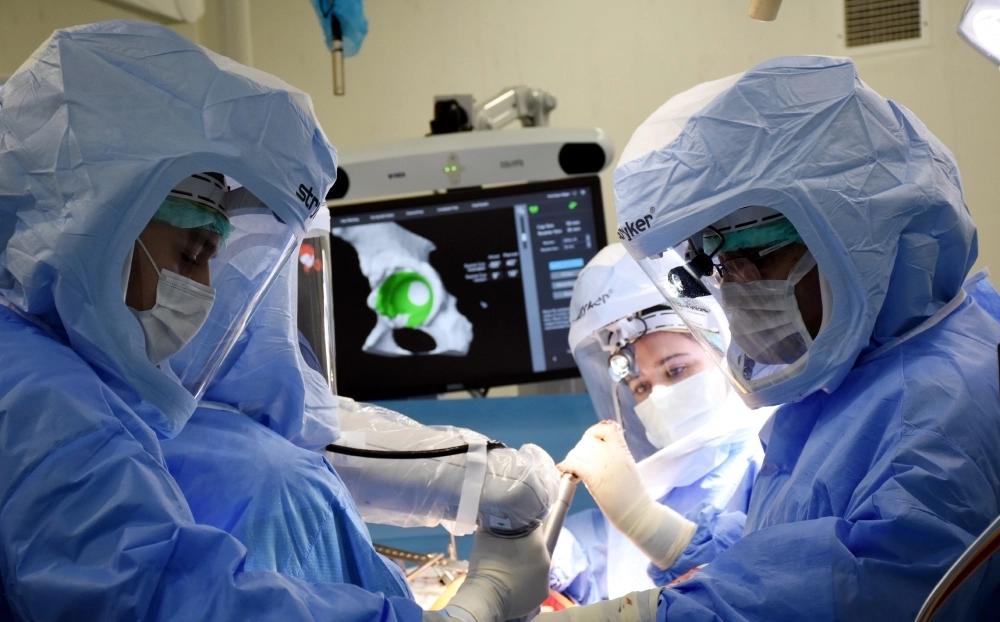
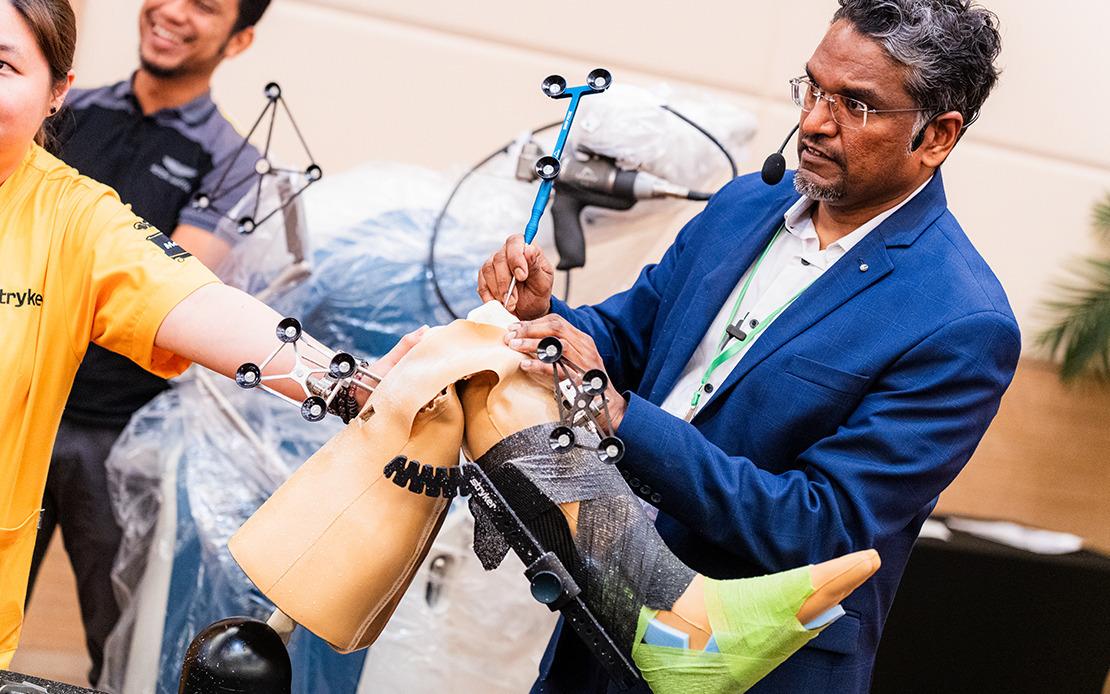
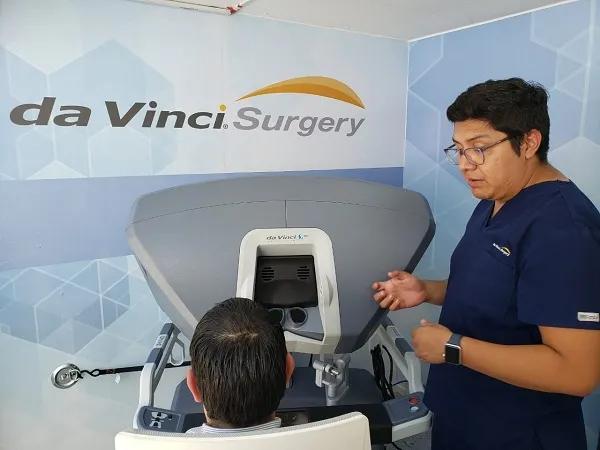
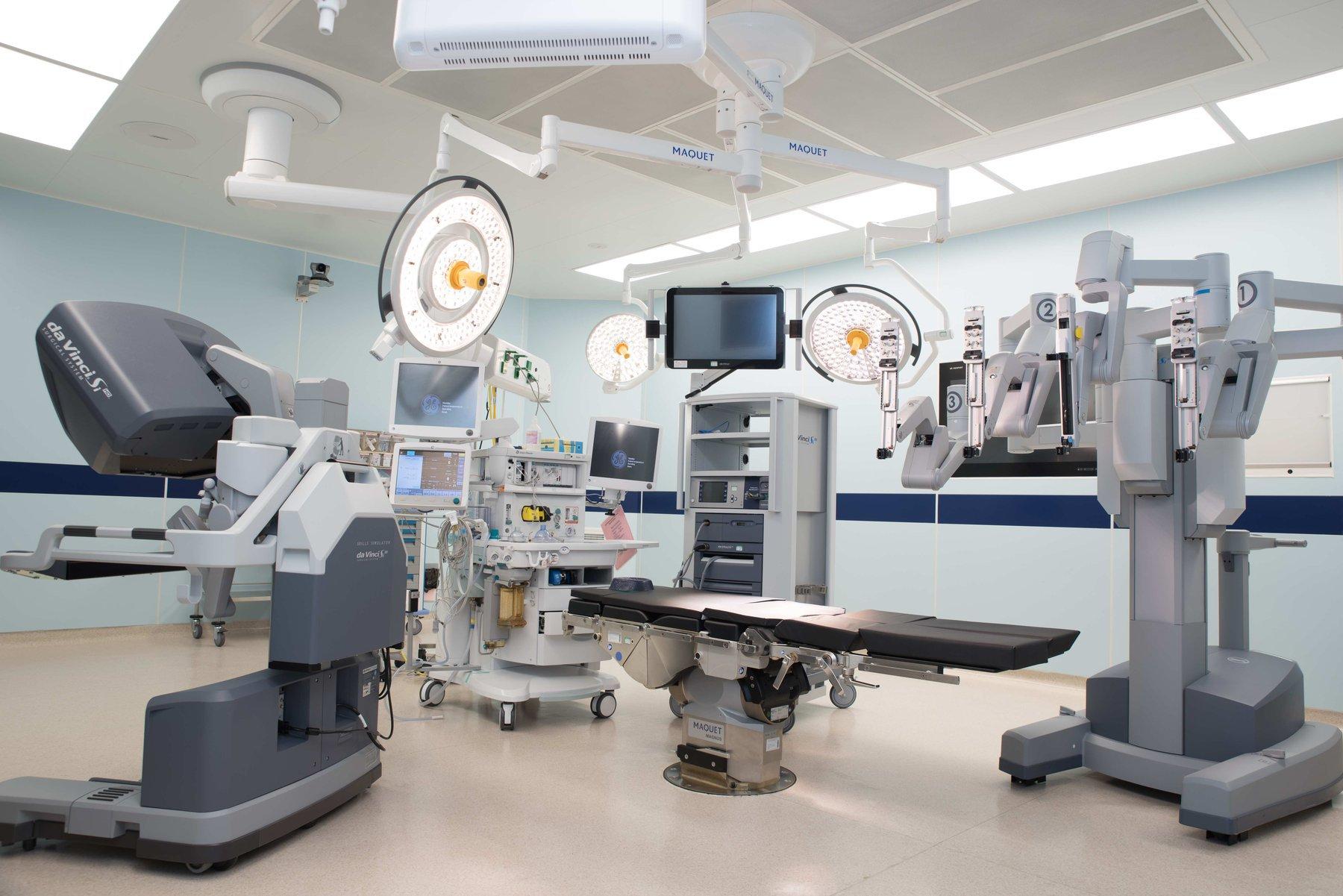
Robotic-assisted surgery is a minimally invasive surgical technique that uses robotic systems to enhance the surgeon's precision and control during procedures. This approach is often recommended for conditions such as prostate cancer, gynecological issues, and certain types of gastrointestinal disorders, where traditional surgery may involve larger incisions and longer recovery times. Common procedures include robotic prostatectomy, hysterectomy, and cholecystectomy, among others. Americans may consider seeking robotic-assisted surgery abroad for various reasons, including shorter wait times, potential cost savings, or access to specialized expertise not readily available in the U.S. While some patients report benefits such as reduced pain and quicker recovery, it is important to carefully evaluate factors like the surgeon's experience, the quality and accreditation of the facility, cost transparency, and the logistics of travel and follow-up care. Understanding these elements can help patients make informed decisions about whether to pursue robotic-assisted surgery outside the United States.
Compare robotic-assisted surgery destinations
| Destination | Providers | Typical savings | Average CureValue rating | |
|---|---|---|---|---|
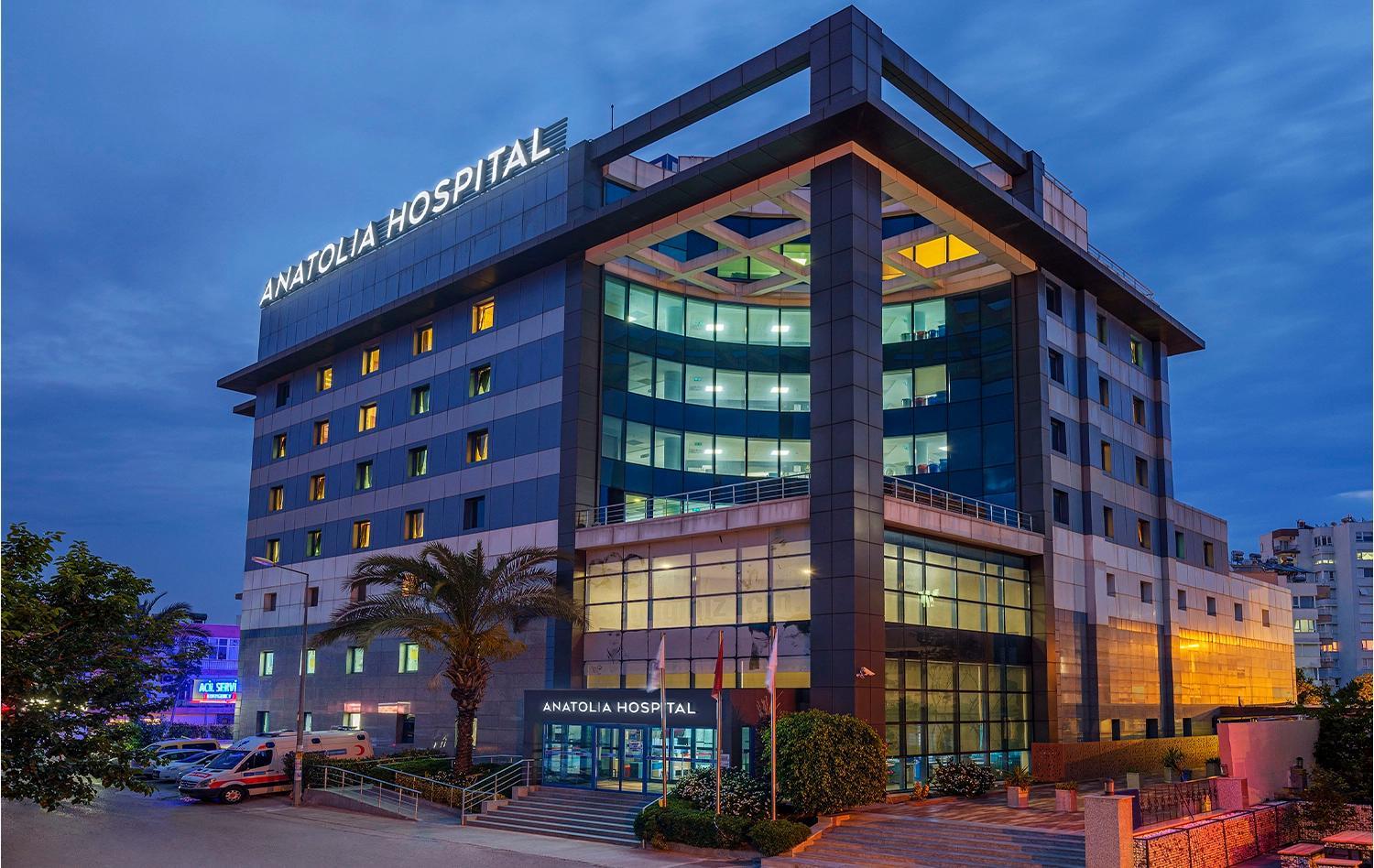
 Turkey | 46% |  90 | Robotic-assisted surgery in Turkey | |
 Spain | 22% | 88 | Robotic-assisted surgery in Spain | |
 Malaysia | 50% | 91 | Robotic-assisted surgery in Malaysia | |
 India | 59% | 89 | Robotic-assisted surgery in India | |
 Thailand | 39% | 88 | Robotic-assisted surgery in Thailand | |
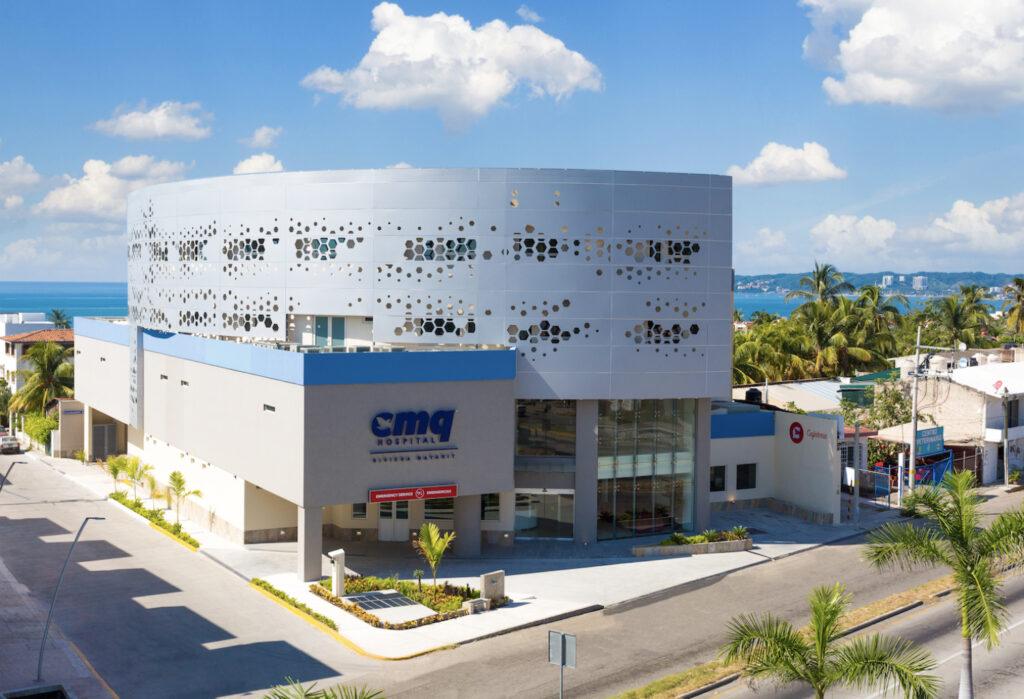
 Mexico | 44% | 93 | Robotic-assisted surgery in Mexico | |
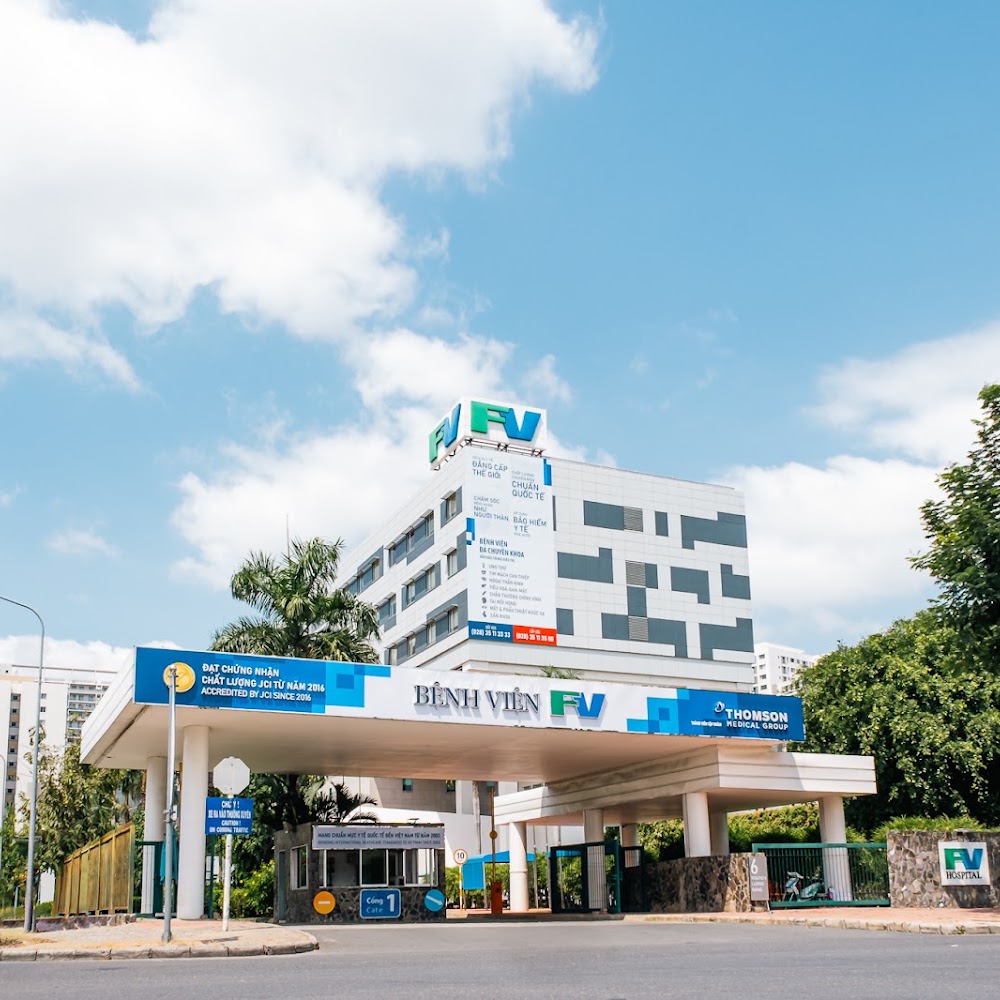
 Vietnam | 47% | 88 | Robotic-assisted surgery in Vietnam | |
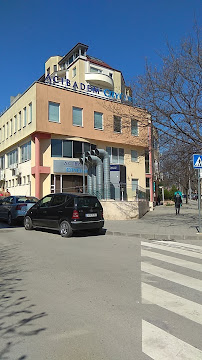
 Bulgaria | 50% | 90 | Robotic-assisted surgery in Bulgaria | |
 Finland | 20% | 93 | Robotic-assisted surgery in Finland | |
 Saudi Arabia | — | 91 | Robotic-assisted surgery in Saudi Arabia |


















.jpg)



90
88
91
89
88
93
88
90
91
Frequently asked questions
Safety is a top priority when seeking robotic-assisted surgery internationally. It's important to research the accreditation of the facility, the experience of the surgical team, and the technology used. Look for hospitals that meet international standards and have a track record of successful robotic surgeries.
When comparing destinations for robotic-assisted surgery, consider factors such as the facility's accreditation, the experience of the surgeons, and patient reviews. Avoid focusing solely on cost; instead, evaluate the overall quality of care, including post-operative support and follow-up services.
Before selecting a provider for robotic-assisted surgery, ask about their experience with the specific procedure, the types of robotic systems they use, and their facility's accreditation. Inquire about the expected recovery time, follow-up care, and how they handle complications if they arise.
Recovery time after robotic-assisted surgery can vary, but many patients can expect to return to normal activities within a few weeks. When planning travel, consider allowing sufficient time for recovery before flying home, as well as any follow-up appointments that may be necessary.
While many patients seek robotic-assisted surgery abroad for potential cost savings, prices can vary widely based on the destination and facility. It's essential to consider not just the surgery cost but also travel expenses, accommodations, and any additional care needed post-surgery when evaluating overall affordability.
Data last updated July 10, 2026. Prices and savings are estimates, not guarantees.