


Best Destinations for Hair Transplantation Care
CureValue lists 157 hair transplantation providers across 25 countries. The most popular destinations for US patients are India, Turkey, and Spain, with typical savings of 24% to 77% compared with typical US prices.

Hair Transplantation care abroad
Hair transplantation is a surgical procedure that involves moving hair follicles from one part of the body, typically the back or sides of the scalp, to areas experiencing hair loss, often due to genetics, aging, or medical conditions. Some Americans may consider traveling abroad for this treatment due to factors such as potentially lower costs, access to specialized techniques, or shorter wait times. Common methods include Follicular Unit Transplantation (FUT) and Follicular Unit Extraction (FUE), each with its own approach to harvesting and implanting hair follicles. While there may be potential advantages to receiving care internationally, such as advanced technology or experienced surgeons, it is crucial to carefully evaluate the quality of the facility, the provider's credentials, and the transparency of costs. Patients should also consider the importance of post-treatment care, including follow-up appointments and recovery time, which may require planning for care after returning home. Key questions to ask before choosing a provider include their experience with hair transplantation, the clinic's accreditation, and how they handle communication and continuity of care throughout the process.
Compare hair transplantation destinations
| Destination | Providers | Typical savings | Average CureValue rating | |
|---|---|---|---|---|
 India | 77% |  87 | Hair Transplantation in India | |
 Turkey | 69% | 91 | Hair Transplantation in Turkey | |
 Spain | 44% | 89 | Hair Transplantation in Spain | |
 United Arab Emirates | Facilities in United Arab Emirates
| 34% | 87 | Hair Transplantation in United Arab Emirates |
 Thailand | 61% | 92 | Hair Transplantation in Thailand | |
 Mexico | 53% | 94 | Hair Transplantation in Mexico | |
 Hungary | 57% | 90 | Hair Transplantation in Hungary | |
 Greece | 51% | 92 | Hair Transplantation in Greece | |
 Pakistan | 77% | 84 | Hair Transplantation in Pakistan | |
 Singapore | Facilities in Singapore View all | 32% | 87 | Hair Transplantation in Singapore |































87
91
89
Facilities in United Arab Emirates
American Academy Of Cosmetic Surgery Hospital
Euromed Clinic Dubai
The Private Clinic
Dubai Cosmetic Surgery Clinic
Cocoona
87
92
94
90
92
84
Articles
All About Exploring Hair Transplantation Abroad
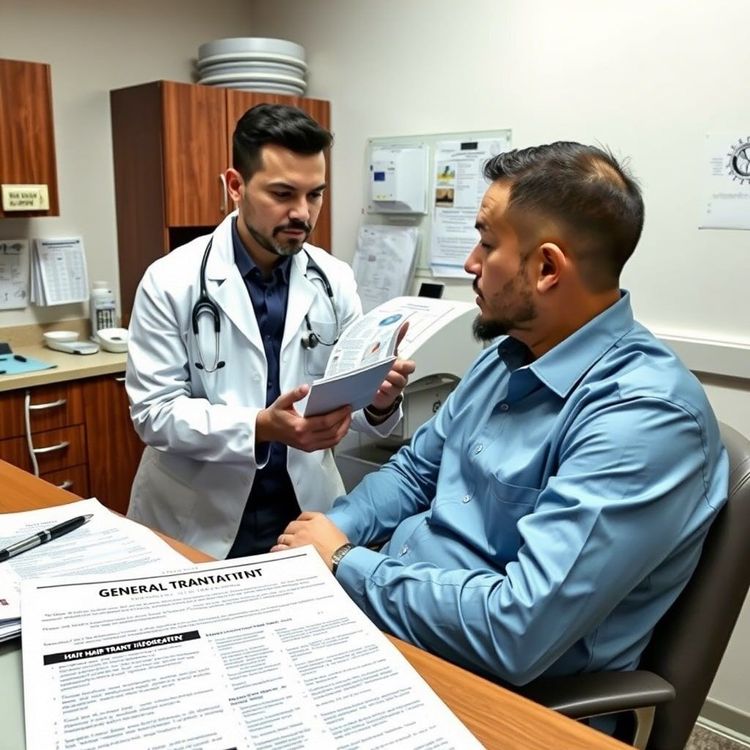
A hair transplant is a transformative procedure designed to restore hair growth in areas affected by baldness or thinning. This treatment involves relocating healthy hair follicles from a donor area (typically the back or sides of the scalp) to areas experiencing hair loss. For many Americans, traveling abroad for hair transplants has become an increasingly attractive option due to affordability, high-quality care, shorter wait times, and access to experienced specialists.
CureValue, a trusted resource in medical tourism, empowers patients by offering a robust rating system for over 2,500 accredited facilities across 63 countries. With factors like visa requirements, proximity, accreditations, English language fluency, Google ratings, affordability, and ease of transportation, CureValue’s side-by-side comparison tool simplifies the decision-making process for patients seeking world-class hair restoration care.
In this guide, we’ll explore everything you need to know about pursuing hair transplants abroad, from understanding the procedure itself to navigating costs, safety, and recovery. Let’s begin your journey toward achieving your desired look with confidence.
What Is a Hair Transplant?
A hair transplant is a surgical or minimally invasive procedure that addresses hair loss caused by factors such as genetics, aging, trauma, or medical conditions. The two most common techniques are Follicular Unit Extraction (FUE), which extracts individual follicles, and Follicular Unit Transplantation (FUT), which removes a strip of scalp for dissection. Both methods aim to create natural-looking results with minimal scarring.
This treatment is ideal for individuals experiencing male or female pattern baldness, receding hairlines, or patchy baldness. It is also suitable for those seeking to enhance facial hair, such as beards or eyebrows.
CureValue allows users to explore hair transplant options in accredited facilities worldwide, ensuring access to top-tier specialists and state-of-the-art technologies. Whether you’re seeking affordable care, personalized attention, or innovative protocols, CureValue helps connect you with trusted providers tailored to your needs.
How a Hair Transplant Works: Step-by-Step
-
Pre-Treatment Preparation:
- Initial consultation with a hair restoration specialist to assess donor hair quality and discuss goals.
- Conducting diagnostic tests, such as blood work or scalp analysis, to ensure eligibility for the procedure.
- Shaving the donor area (if required) and preparing the scalp for extraction.
-
The Procedure Itself:
- FUE: Individual hair follicles are extracted using a micro-punch tool and implanted into the recipient area.
- FUT: A strip of scalp is surgically removed, dissected into follicular units, and transplanted into the recipient area.
- Local anesthesia ensures patient comfort throughout the procedure, which typically takes 4–8 hours depending on the extent of the transplant.
-
Immediate Follow-Up Care:
- Post-procedure monitoring for any discomfort or complications.
- Instructions on how to care for the transplanted area during the initial healing phase.
CureValue provides detailed facility information, including accreditation status, available technologies, and patient reviews, helping you select a provider that meets your expectations.
Recovering After a Hair Transplant
Recovery after a hair transplant typically takes 7–10 days for initial healing, with full results visible within 6–12 months as transplanted hair grows naturally. Potential challenges include mild swelling, itching, or temporary shedding of transplanted hair (a normal part of the process). Tips for a smooth recovery include avoiding direct sunlight, following post-operative care instructions, and maintaining a healthy lifestyle.
CureValue assists patients in choosing facilities with exceptional post-treatment care and nearby accommodations designed for comfort during recovery. This ensures a seamless transition from treatment to daily life.
How Much Does a Hair Transplant Cost Abroad?
The cost of a hair transplant abroad can be significantly lower than in the U.S. For example:
- U.S.: $4,000–$15,000, depending on the clinic and the number of grafts required.
- Abroad: $1,500–$5,000 in countries like Turkey, India, Mexico, or Thailand.
Additional expenses include travel ($500–$2,000), accommodations ($50–$150 per night), and incidentals. CureValue’s affordability rating considers cost transparency, hidden fees, and budget-friendly options, making it easier to plan financially.
Does Insurance Cover Hair Transplants Abroad?
Most U.S. insurance plans do not cover hair transplants, as they are considered elective cosmetic procedures. However, some private insurers may offer partial reimbursement for related diagnostic tests if the procedure is deemed medically necessary (e.g., for trauma-related hair loss). Patients should:
- Review policy terms carefully.
- Submit itemized bills and receipts for potential refunds.
CureValue’s detailed facility profiles provide transparent pricing information, aiding in financial planning and negotiation with insurers.
Top Destinations for Hair Transplants
Popular destinations include:
- Turkey: Known as the global hub for hair restoration, offering affordable yet advanced treatments at JCI-accredited hospitals.
- India: Combines excellent healthcare with a wide range of aesthetic expertise.
- Mexico: Proximity to the U.S. and English-speaking staff make it convenient.
- Thailand: Offers luxurious accommodations and tourist-friendly environments.
CureValue ranks these destinations based on visa ease, English fluency, and transportation logistics, ensuring a stress-free experience.
Travel Tips for Hair Transplants Abroad
- Pre-Trip Planning: Schedule virtual consultations and gather all medical records.
- Packing Essentials: Bring comfortable clothing, medications, and copies of prescriptions.
- Accommodations: Choose hotels near the clinic with amenities for extended stays.
CureValue simplifies travel planning with comprehensive facility profiles and logistical details.
Ensuring Safety and Quality
To verify clinic safety:
- Check for global accreditations (e.g., JCI, ISO).
- Read patient reviews and testimonials.
- Understand the qualifications of treating physicians and the rigor of surgical protocols.
CureValue’s safety-focused rating system incorporates Google reviews and certifications, ensuring peace of mind.
Success Stories: Hair Transplants Abroad in Action
“After years of struggling with a receding hairline, James used CureValue to compare clinics in Turkey and Mexico. He chose a JCI-accredited hospital in Istanbul, saving over 60% on his treatment costs. With CureValue’s guidance, he achieved a fuller, natural-looking head of hair within six months.”
Such stories highlight how CureValue empowers patients to achieve positive outcomes.
FAQs About Hair Transplants Abroad
- Is it safe? Yes, when choosing accredited facilities vetted by platforms like CureValue.
- What about costs? Treatment abroad is often 50–70% cheaper than in the U.S.
- Can I trust foreign doctors? Many are trained internationally and speak fluent English.
CureValue addresses these concerns with detailed tools and ratings.
What Are the Alternatives to Hair Transplants?
Alternatives include non-surgical options like topical treatments (minoxidil), oral medications (finasteride), platelet-rich plasma (PRP) therapy, or scalp micropigmentation. While these may not suit everyone, they offer viable paths to explore. CureValue provides insights into alternative options, helping patients weigh their choices.
Preparing for a Hair Transplant Abroad
- Undergo necessary medical tests before traveling.
- Communicate openly with your chosen clinic.
- Make lifestyle adjustments as advised by your doctor (e.g., avoiding alcohol or smoking before the procedure).
CureValue’s profiles outline pre-treatment requirements for seamless preparation.
Post-Treatment Care
Long-term care includes regular follow-ups to monitor results and address any complications. CureValue’s facility profiles detail post-treatment services, ensuring ongoing support.
Conclusion
Pursuing a hair transplant abroad offers hope, affordability, and access to world-class care. By leveraging CureValue’s tailored ratings, comprehensive database, and side-by-side comparison tools, American patients can confidently navigate their medical tourism journey. Start exploring your options today and take the first step toward achieving your desired look with CureValue by your side.
Browse by hair transplantation procedure
Frequently asked questions
Many Americans travel abroad for Hair Transplantation care to access high-quality procedures at lower costs. Countries like India and Turkey offer advanced medical technologies and experienced providers, making them attractive options.
The most popular countries for Hair Transplantation include India with 44 providers, Turkey with 36 providers, and Spain with 12 providers. These countries are known for their competitive pricing and skilled medical professionals.
Average savings on CureValue-listed providers range from 24 to 77 percent depending on the country. This significant cost reduction makes international options appealing for many patients.
To judge the quality of a Hair Transplantation provider abroad, check the CureValue Rating, which is an independent vetted rating that goes beyond accreditation. Look for providers with high ratings and experience in the specific procedure you need.
When planning for travel and follow-up care, consider that CureValue patient coordinators handle travel and accommodation logistics. This support can help ensure a smooth experience during your treatment abroad.
Data last updated July 10, 2026. Prices and savings are estimates, not guarantees.